

So, How Much Makhana Should You Really Eat?
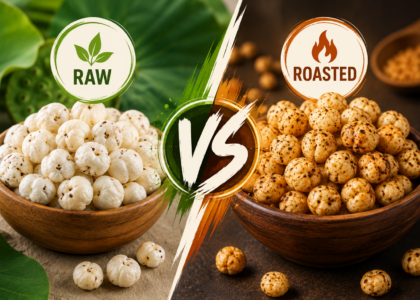
The ideal daily intake of makhana (fox nuts) is 20–30 grams, which works out to roughly one small bowl or 25–35 pieces. This amount delivers the nutritional benefits of makhana — protein, fibre, and minerals — without tipping your calorie count over budget. Anything beyond this, eaten regularly, can slow down weight loss goals and cause bloating.
Why “How Much” Matters More Than “Whether”
Makhana has earned its spot as a go-to snack across Indian kitchens, gyms, and diet charts — and it deserves the hype. It’s crunchy, low in fat compared to fried snacks, and gentle on digestion. But there’s a catch most people overlook: makhana is still a calorie-dense food, and “healthy” doesn’t automatically mean “unlimited.”
The common mistake isn’t eating makhana — it’s eating it without a portion limit. A food that’s good for you in a handful can quietly work against your goals in a heaping bowlful. So the real question worth answering isn’t just “should I eat makhana,” but “how much makhana should I actually be eating each day.”
The Ideal Daily Portion of Makhana
For a healthy adult, nutritionists commonly recommend:
- 20–30 grams per day
- Roughly one small katori (bowl)
- Or about 25–35 individual pieces, depending on size
This is enough to snack on comfortably between meals while staying within a sensible calorie range. If you’re using makhana specifically as part of a weight-loss diet, staying at the lower end (20–25 grams) and pairing it with protein is a smarter approach than eating it as a standalone bowl.
What Happens If You Overdo It
Makhana feels light, so it’s easy to keep reaching for more without noticing. Regularly going overboard can lead to:
- Extra, unaccounted-for calories adding up over the week
- Slower progress on weight-loss goals
- Occasional bloating or a heavy feeling, especially if eaten in large quantities at once
What the Right Portion Does For You
Sticking to a controlled amount instead helps you:
- Keep hunger in check between meals
- Maintain steady energy without a sugar-snack crash
- Support — rather than sabotage — your weight management goals
Best Time to Eat Makhana
Timing changes how effective makhana is as a snack. Here’s how the day breaks down:
Evening: The Best Window
This is when most people hit their weakest point for cravings — usually reaching for chips, biscuits, or something fried. A small roasted bowl of makhana fills that gap with crunch and satiety, without the guilt of a deep-fried alternative.
Mid-Morning: A Strong Second Choice
Eating makhana between breakfast and lunch helps bridge the gap so you’re not ravenous by lunchtime — which usually means you eat less, and more mindfully, at your next meal.
Late Night: Only in Small Amounts
If hunger strikes late at night, a small handful of makhana beats a packet of biscuits. Keep it minimal here, since eating a large portion right before bed can interfere with digestion and sleep.
How to Prepare Makhana the Right Way
The way you cook makhana can make or break its health value.
Dry Roast It First
Roast on low flame for 5–7 minutes, stirring often, until it turns crisp. No oil needed — this keeps it light while enhancing the crunch and flavor.
Go Easy on the Ghee
A few drops for flavor is fine; a generous splash defeats the purpose. Ghee adds calories fast, so treat it as a garnish, not an ingredient.
Keep the Seasoning Simple
Stick to:
- Black pepper
- Rock salt (sendha namak)
- A pinch of turmeric
- Light chaat masala
Skip sugar-coated, caramelized, or heavily salted versions — these turn a nutritious snack into a processed one.
Pair It for Longer-Lasting Satiety
Makhana alone is light, so combine it with:
- A bowl of yogurt
- Roasted chana
- A small handful of mixed nuts
This combination keeps you full for longer and turns a simple snack into a balanced mini-meal.
A Simple Daily Framework
| Element | Recommendation |
|---|---|
| Daily quantity | 20–30 grams (1 small bowl) |
| Best time | Evening (also good mid-morning) |
| Preparation | Dry roasted, minimal ghee |
| Seasoning | Black pepper, rock salt, turmeric |
| Pairing | Yogurt, roasted chana, nuts |
| Avoid | Fried, sugar-coated, or oversized portions |